


Recovery After Patellar Luxation Surgery
Recovery After Patellar Luxation Surgery
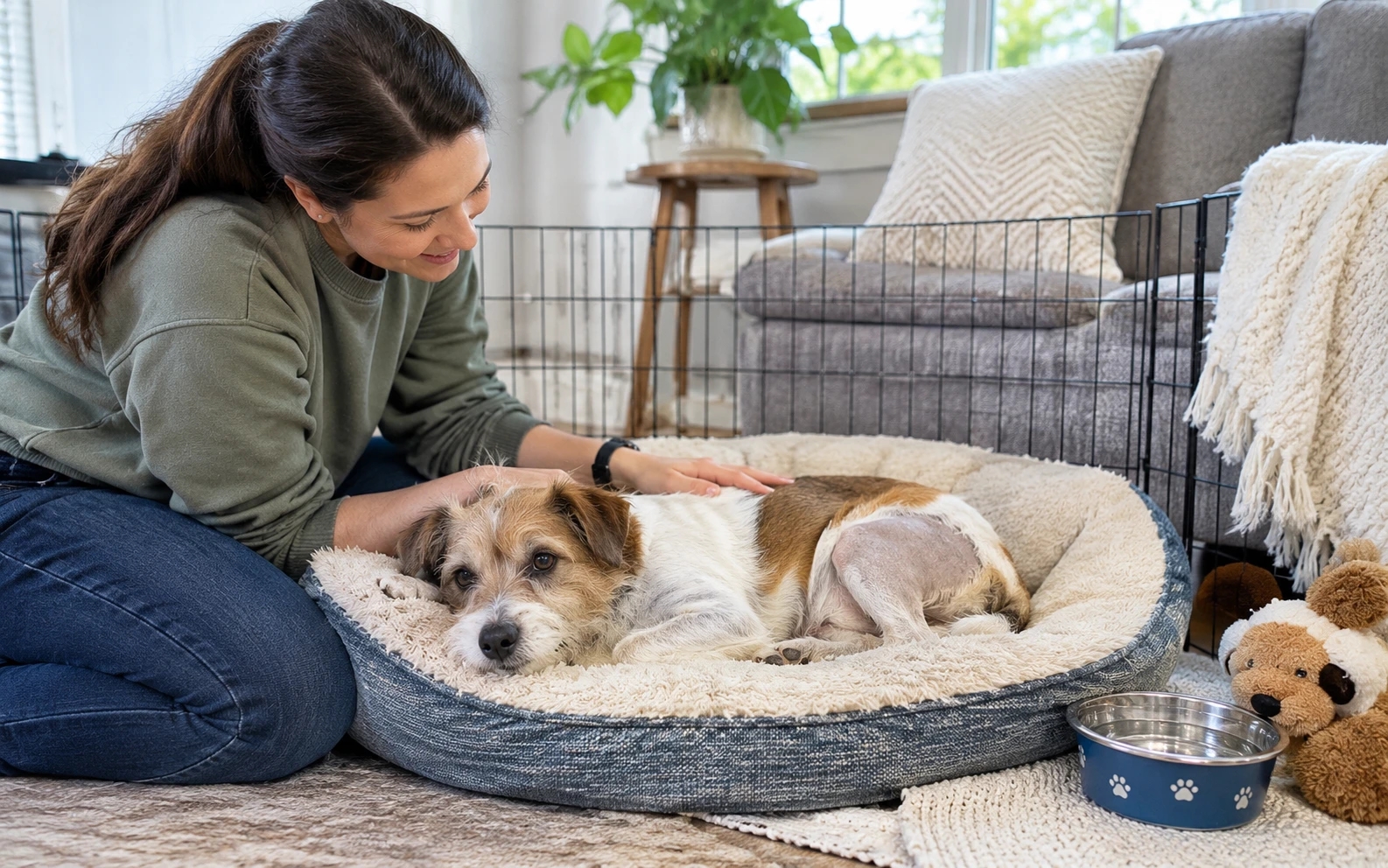
After patellar luxation surgery, your dog may seem eager to return to normal activities before the surgical repair has healed enough to allow them. Even when your dog appears comfortable and begins using the affected leg again, proper recovery requires patience, restricted activity, and consistent veterinary follow-up. A clear home-care plan helps protect the surgical correction while your pet gradually regains comfortable movement. Understanding what to expect during patellar luxation surgery recovery in dogs can help you provide appropriate care and recognize when additional veterinary attention may be needed.
Why Is Rest Important After Patellar Luxation Surgery?
Rest is an essential part of recovery following luxating patella surgery. Depending on the severity of the condition and the surgical techniques used, the procedure may involve repositioning a piece of bone or performing a corrective bone cut. These structures need sufficient time to heal before normal activity can safely resume. Most dogs require several weeks of restricted activity, particularly when surgery involves cutting or repositioning bone. Allowing unrestricted running, jumping, or strenuous activity too early may place unnecessary stress on the healing tissues and surgical repair. Your veterinary surgeon will determine how activity restrictions should change based on the procedures performed and your dog's progress.
How Can You Help Your Dog Rest Safely?
Your veterinarian may recommend:
- Keeping your dog in a designated recovery area.
- Preventing running, jumping, and rough play.
- Limiting movement according to the surgeon's instructions.
- Avoiding activities that place excessive pressure on the affected leg.
- Supervising permitted walking and bathroom breaks.
The specific restrictions should always follow your treating veterinarian's recommendations.
What Should Your Dog's Discharge Plan Include?
Before bringing your dog home, make sure you understand the instructions provided by your veterinary surgical team. A personalized discharge plan is important because different surgical procedures require different recovery approaches.
1. Rest and Recovery Area
Ask where your dog should rest during the recovery period. Your veterinarian may recommend a crate, pen, or other controlled environment that limits excessive movement.
2. Permitted Walking and Activity
Understand what type of movement is allowed, including whether short, controlled walks are appropriate. Do not increase walking time or activity without veterinary approval.
3. Prescribed Medications
Your dog may receive medications to support comfort and recovery. Follow the prescribed dosage and schedule carefully. Contact your veterinarian if you have questions about administration or notice a possible adverse reaction.
4. Surgical Incision Care
The surgical incision should be protected and monitored according to the veterinary team's instructions. Ask how to prevent licking or chewing and what changes in the incision should prompt a call.
5. Follow-Up Veterinary Examinations
Your veterinarian will explain when your dog should return for postoperative evaluations. These visits allow the surgical team to assess healing and determine whether changes to the recovery plan are appropriate.
6. Follow-Up X-Rays
If the procedure involves bone healing, follow-up X-rays may be necessary to evaluate recovery progress.
7. Rehabilitation Planning
Ask whether your dog may benefit from a structured rehabilitation program and when it would be appropriate to begin. Rehabilitation should follow the surgeon's guidance and be adapted to your dog's individual condition.
Important: A recovery plan used for another dog, even one with the same diagnosis, may not be suitable for your pet's specific surgical repair.
Why Are Follow-Up X-Rays Important After Dog Knee Surgery?
Follow-up diagnostic imaging can play an important role in luxating patella surgery recovery, especially when the procedure involves cutting or repositioning bone. X-rays help veterinarians evaluate the healing process and assess the surgical repair. Your dog's willingness to walk or use the affected leg may be an encouraging sign, but comfortable movement alone does not confirm that the bone has healed adequately.
Can I Increase Activity If My Dog Seems Comfortable?
Not necessarily. Dogs may begin feeling better before their surgical repair is ready for increased physical activity. Returning to normal exercise too early may increase the risk of complications. Always follow your surgeon's recommendations regarding when it is safe to increase walking, exercise, or other activities.
Can Complications Occur After Patellar Luxation Surgery?
Although many dogs recover successfully after surgical correction, complications are possible. Understanding potential warning signs can help owners recognize when to contact the veterinary team.
Possible complications include:
- Recurrent patellar luxation: The kneecap may become unstable or move out of its normal position again.
- Implant migration: Surgical implants may shift from their intended position.
- Implant breakage: Hardware used during surgery may occasionally become damaged.
- Infection: Infection may develop around the surgical incision or deeper tissues.
- Bone-healing problems: Some dogs may experience delayed or abnormal healing following procedures involving bone.
When Should You Contact Your Veterinarian?
Contact your treating veterinary hospital if you notice:
- Sudden or worsening limping.
- New difficulty using the operated leg.
- Increasing swelling, redness, or discharge around the incision.
- Unexpected changes in pain or comfort.
- Problems with the surgical incision.
- Any other recovery changes identified as concerning in your discharge instructions.
Your surgical team should explain which symptoms require urgent attention and how to reach the hospital if concerns arise.
What Is the Long-Term Outlook After Patellar Luxation Surgery?
Many dog owners report improved mobility and comfort following successful patellar luxation surgery. However, recovery and long-term results vary between patients.
Several factors may influence your dog's outlook, including:
- The severity of the original patellar luxation.
- The alignment of the affected limb.
- The type of surgical correction performed.
- The presence of additional joint disease.
- How the surgical repair heals over time.
Some dogs may progress through recovery more smoothly than others. It is important to remember that patellar luxation surgery recovery is a gradual process, not a guaranteed return-to-normal date. Your veterinarian can help establish realistic expectations based on your dog's condition and postoperative progress.
How Can Owners Support a Successful Recovery?
Pet owners play an important role in protecting the surgical repair and supporting their dog's comfort during recovery. Consistent home care helps ensure that your dog's activity remains appropriate while healing progresses.
Follow Your Veterinarian's Home-Care Instructions
Always follow the personalized discharge plan provided by the surgical team. Do not change medications, activity restrictions, or rehabilitation exercises without veterinary guidance.
Attend Scheduled Follow-Up Appointments
Recheck examinations allow your veterinarian to monitor recovery, evaluate knee function, and determine whether changes to the plan are appropriate.
Monitor Your Dog's Movement and Comfort
Pay attention to changes in walking, standing, or using the affected leg. Notify your veterinary team if your dog develops unexpected symptoms or worsening mobility.
Ask Before Increasing Physical Activity
Even if your dog appears energetic and comfortable, confirm with your veterinarian before allowing additional exercise or returning to normal routines.
Help Your Dog Recover Safely After Knee Surgery
Recovery after patellar luxation surgery requires careful home management, appropriate activity restrictions, and veterinary follow-up. While many dogs experience improvement following surgical correction, each patient's healing process is different. Following the recommended discharge instructions, monitoring your dog's condition, and attending recheck examinations can help support the recovery process.
If your dog is recovering from patellar luxation surgery, contact your treating veterinary hospital with questions about medications, activity restrictions, incision care, or the next stage of recovery. Your veterinary team can provide recommendations based on the surgical procedures performed and your dog's individual healing progress. Contact Your Veterinary Team for Post-Surgical Guidance!