


Does My Dog Need Surgery for a Luxating Patella?
Does My Dog Need Surgery for a Luxating Patella?
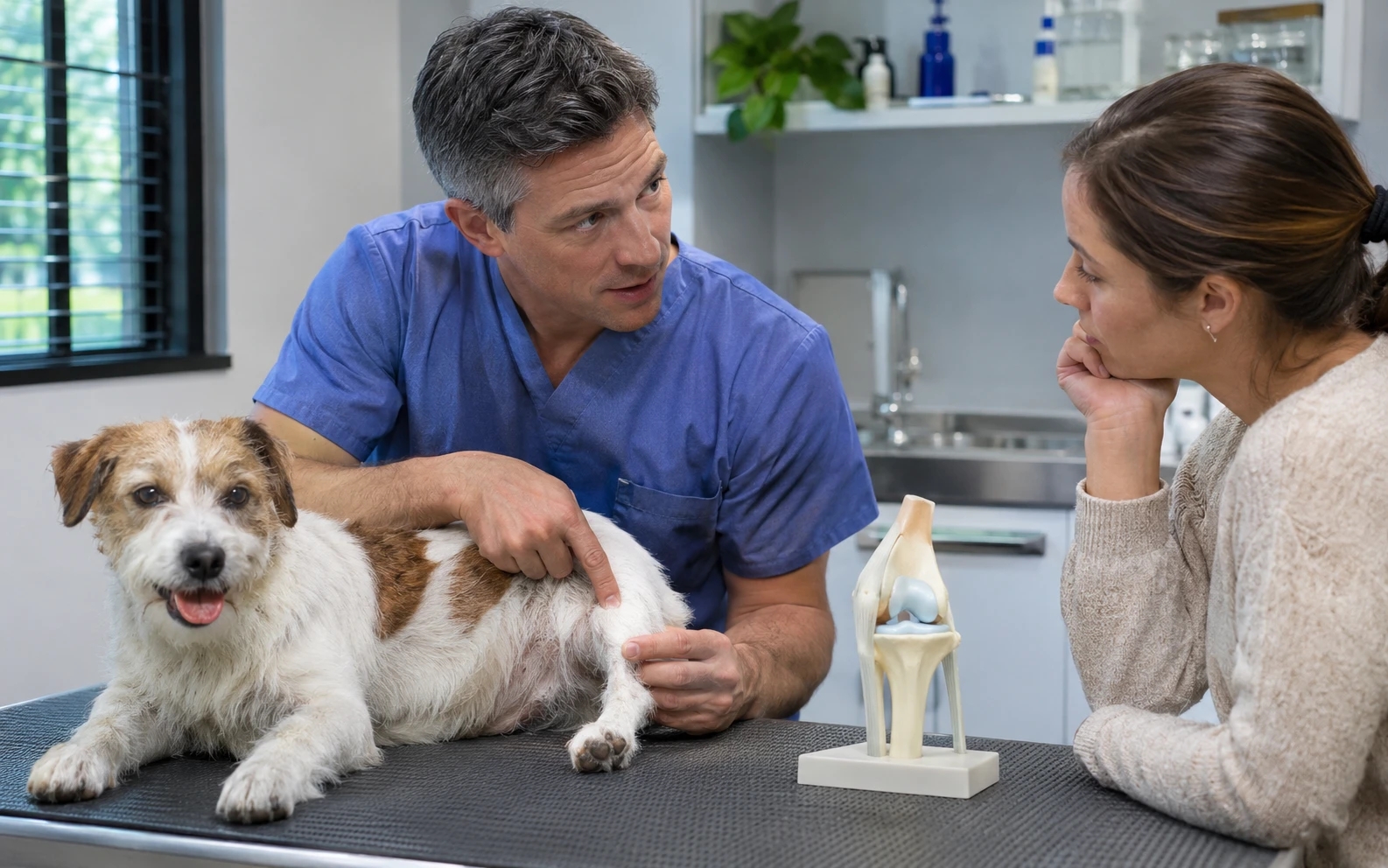
A diagnosis of patellar luxation in dogs does not automatically mean your pet needs surgery. While some dogs can be monitored without immediate surgical intervention, others may benefit from corrective procedures to improve knee stability and mobility. The decision to recommend luxating patella surgery in dogs depends on several important factors, including symptoms, limb function, knee alignment, and the severity of the condition. Understanding when monitoring may be appropriate, when surgery is considered, and what treatment involves can help pet owners make informed decisions about their dog's orthopedic health.
When Can a Luxating Patella Be Monitored Without Surgery?
Not every dog diagnosed with a luxating patella requires immediate surgical correction. In some cases, particularly when a small dog has no noticeable symptoms, a veterinarian may recommend monitoring the condition over time. Monitoring does not mean ignoring the problem or assuming it will never become more serious. Instead, it involves observing your dog's movement and attending veterinary follow-up examinations when recommended.
Signs That May Require Reassessment
Pet owners should contact their veterinarian if they notice:
- More frequent skipping or hopping while walking.
- Limping that continues or becomes more noticeable.
- Changes in normal walking or running patterns.
- Difficulty using the affected hind leg.
- Reduced mobility or unusual leg positioning.
Even if your dog appears comfortable, changes in movement may indicate that the condition requires further evaluation.
When Is Luxating Patella Surgery Recommended for Dogs?
Luxating patella surgery is commonly considered for dogs with grade 2 or higher patellar luxation, particularly when the condition affects normal leg function or causes significant symptoms. However, the grade of patellar luxation is only one factor in determining whether surgery is necessary.
Veterinarians also evaluate:
- The frequency of kneecap displacement.
- The severity of limping or mobility difficulties.
- Whether the kneecap returns to its normal position.
- The presence of significant bone deformities.
- Other orthopedic conditions affecting the knee.
- The dog's overall comfort and ability to move normally.
Two dogs diagnosed with the same grade of patellar luxation may have very different symptoms and treatment requirements. For this reason, surgery recommendations should be based on an individual orthopedic assessment rather than the luxation grade alone.
What Does Luxating Patella Surgery Correct?
The primary goal of surgery is to improve kneecap tracking so the patella moves more normally within its groove. Depending on the dog's knee anatomy and the underlying cause of displacement, veterinary surgeons may combine several corrective procedures.
1. Soft-Tissue Balancing
Soft-tissue balancing involves adjusting the tissues surrounding the kneecap. The surgeon may release tight tissues on the side toward which the kneecap displaces and tighten tissues on the opposite side. These adjustments help improve kneecap alignment and stability.
2. Groove Deepening
The kneecap normally moves within a groove at the lower end of the thigh bone. If this groove is too shallow, it may not adequately guide the kneecap during movement. A groove-deepening procedure, also known as trochleoplasty, creates a more secure channel for the patella to move within.
3. Tibial Crest Transposition
Tibial crest transposition involves repositioning the bony attachment below the knee. This procedure helps improve alignment between the thigh muscles, kneecap, and patellar tendon. Correcting this alignment may reduce the tendency of the kneecap to move outside its normal groove.
4. Corrective Bone Surgery
Some dogs have significant bone deformities that affect kneecap tracking. In these cases, corrective bone surgery may be needed to improve limb alignment and address the structures responsible for repeated displacement. Not every dog requires all these procedures. The surgical approach depends on the individual knee, and certain decisions may be finalized during surgery when the joint can be assessed directly.
What If My Dog Also Has a Cranial Cruciate Ligament Injury?
Patellar luxation and cranial cruciate ligament (CCL) disease are different orthopedic conditions, but they can sometimes occur together. The cranial cruciate ligament helps stabilize the knee joint, while the patella plays an important role in normal knee movement. When both conditions are present, a dog may experience more complicated mobility problems.
A dog with an existing luxating patella that suddenly develops significantly worse limping should receive veterinary attention. Sudden changes in mobility should not automatically be attributed to kneecap displacement alone. A veterinary examination can help determine whether a CCL injury or another orthopedic problem may be contributing to the symptoms.
What Results Can Dog Owners Expect After Luxating Patella Surgery?
Many dogs experience improved mobility and knee function following successful surgical correction. However, the outcome depends on several factors, including the severity of the condition, the dog's anatomy, and the presence of other orthopedic problems.
Certain factors can make treatment more complex, such as:
- Significant bone deformities.
- Larger body size.
- Additional knee or joint conditions.
- Existing orthopedic disease.
Your veterinary surgeon can explain how these factors may influence your dog's expected outcome.
Possible Complications of Luxating Patella Surgery
As with other orthopedic procedures, luxating patella surgery carries potential risks.
Possible complications include:
- Recurrence of kneecap displacement.
- Problems involving surgical implants.
- Infection.
- Difficulties with bone healing.
- Persistent or recurring mobility problems.
A thorough orthopedic consultation can help owners understand the potential benefits, limitations, and risks of the recommended procedure.
What Should Owners Know About Recovery After Surgery?
Recovery after luxating patella surgery varies depending on the specific procedures performed and the individual dog's condition. Your veterinary team may provide instructions regarding activity restrictions, pain management, wound care, and follow-up examinations. Some dogs may also benefit from a veterinarian-directed rehabilitation program to help restore comfortable movement and function. Following the surgeon's recovery instructions is important because returning to unrestricted activity too early may interfere with healing. Ask your veterinary team about your dog's expected recovery process before scheduling surgery.
How Do Veterinarians Choose the Right Treatment?
Every dog diagnosed with patellar luxation has unique orthopedic needs. An appropriate treatment recommendation considers more than just the kneecap's position or the assigned luxation grade.
Your veterinarian or veterinary orthopedic surgeon may review:
- Your dog's medical history and symptoms.
- The results of a physical orthopedic examination.
- Diagnostic imaging findings.
- Knee and limb alignment.
- The presence of other orthopedic problems.
- The potential benefits and risks of surgery.
- Whether monitoring or surgical correction is more appropriate.
An orthopedic consultation provides an opportunity to discuss why a particular treatment is recommended, what alternatives may exist, and what recovery would involve.
Help Your Dog Move Comfortably Again
A luxating patella diagnosis does not always mean that surgery is necessary. Some dogs may be managed through monitoring, while others may benefit from surgical correction when kneecap displacement causes significant symptoms or interferes with normal limb function. The most appropriate approach depends on your dog's individual condition.
If your dog is experiencing repeated skipping, persistent limping, or changes in hind-leg mobility, contact All Creatures Veterinary Center to discuss a veterinary orthopedic examination. Early assessment can help identify the cause of mobility problems and support informed treatment decisions. Schedule Your Dog's Orthopedic Examination Today!