


Why Does My Dog Skip on a Back Leg? Understanding a Luxating Patella
Why Does My Dog Skip on a Back Leg? Understanding a Luxating Patella
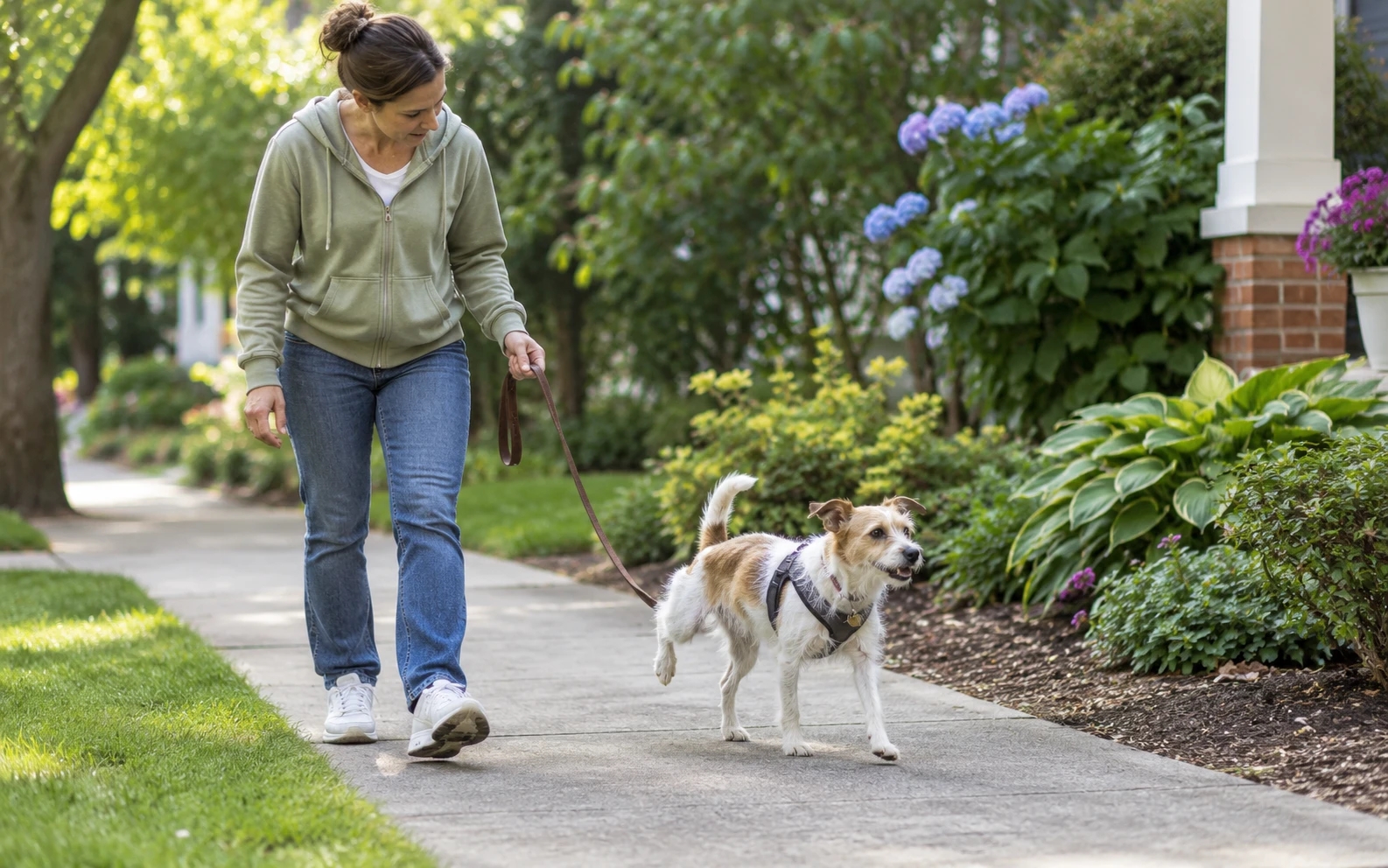
An occasional hop or skip during a walk may seem like a harmless habit. But when a dog repeatedly holds up a hind leg for a few steps and then walks normally again, a luxating patella may be one possible cause. This condition occurs when the kneecap slips outside the groove where it normally travels. Understanding the causes, symptoms, and potential complications of patellar luxation in dogs can help pet owners recognize when veterinary attention is needed.
What Happens Inside a Dog's Knee?
The patella, commonly called the kneecap, is part of the system that helps straighten the knee joint. Normally, the kneecap moves smoothly within a groove at the lower end of the thigh bone. When the kneecap moves outside this groove, the knee may not function normally.
Some dogs may:
- Suddenly lift one hind leg while walking.
- Skip or hop for several steps.
- Shake or stretch the affected leg.
- Resume walking normally after a few moments.
- Develop persistent limping or difficulty using the affected limb.
In some cases, a dog resumes normal movement when the kneecap returns to its proper position. However, repeated episodes of dog skipping on a back leg should not be ignored, as they may indicate an underlying orthopedic condition.
Why Does a Dog's Kneecap Slip Out of Place?
Patellar luxation often develops because the structures responsible for guiding the kneecap are not properly aligned.
Several factors may contribute to this condition, including:
- Shallow kneecap groove: The groove that normally holds the patella may not be deep enough.
- Abnormal bone alignment: Differences in the shape or alignment of the leg bones can affect kneecap stability.
- Muscle alignment problems: An abnormal direction of pull from the thigh muscles can cause the kneecap to move outside its groove.
- Traumatic injuries: Less commonly, injuries affecting the knee may result in patellar luxation.
Although luxating patella is commonly associated with smaller dog breeds, larger dogs can also develop the condition. Some dogs experience the problem in one knee, while others may have patellar luxation affecting both hind legs.
Is Luxating Patella Painful for Dogs?
The level of discomfort associated with a luxating patella in dogs can vary depending on the severity of the condition. Mild cases may cause little noticeable discomfort, especially when the kneecap returns to its normal position quickly. However, repeated kneecap displacement can gradually damage joint cartilage and contribute to arthritis.
As the condition progresses, pet owners may notice:
- More frequent skipping or hopping.
- Persistent hind-leg limping.
- Difficulty walking or running comfortably.
- Changes in the dog's normal movement.
- Reduced willingness to use the affected leg.
It is important to remember that a dog that stops limping after a few steps has not necessarily recovered. The kneecap may have temporarily returned to its normal position, while the underlying problem remains.
How Is Patellar Luxation Diagnosed in Dogs?
A veterinary examination is essential for identifying the cause of unusual hind-leg movement. During the examination, your veterinarian may observe how your dog walks and assess the affected knee to determine the position and stability of the kneecap.
Physical Examination
Your veterinarian evaluates knee movement, checks kneecap stability, and looks for signs of discomfort or abnormal joint function.
Diagnostic X-Rays
X-rays may be recommended to assess bone alignment and identify other potential joint problems. Although patellar luxation is commonly identified through physical examination, diagnostic imaging can provide additional information about the knee and surrounding structures.
Sedation When Necessary
In certain situations, sedation may help obtain accurate diagnostic images and make parts of the assessment more comfortable for the dog. Your veterinarian will determine which examinations and diagnostic procedures are appropriate based on your dog's condition.
When Should You Arrange a Veterinary Examination?
Repeated skipping, limping, or an unusual hind-leg stance deserves veterinary attention. Even when your dog appears comfortable between episodes, recurring changes in movement may indicate an orthopedic problem that requires assessment.
You should consider arranging an examination if your dog:
- Frequently skips or hops while walking.
- Repeatedly lifts a hind leg.
- Develops an unusual walking pattern.
- Experiences persistent limping.
- Shows changes in mobility or activity levels.
A sudden change in mobility should not automatically be blamed on a previously diagnosed luxating patella, as other knee conditions can occur alongside it. If your dog suddenly cannot bear weight on a leg or experiences severe pain, seek prompt veterinary care.
Help Your Dog Stay Comfortable and Active
Recognizing changes in your dog's walking pattern is an important part of protecting their long-term joint health. While occasional skipping may seem harmless, repeated episodes could indicate a luxating patella or another orthopedic concern. A veterinary examination can help identify the cause and determine whether additional diagnostic testing or treatment is needed.
If you have noticed changes in your dog's gait, contact All Creatures Veterinary Center to discuss an examination. Schedule a Veterinary Examination Today!